


Transparency International Ghana Equips Journalists with Skills to Strengthen Defence Integrity Reporting
2 August 2026
Transparency International Ghana (TI Ghana) in partnership with Transparency International Defence and Security (TI-DS) has organised a specialised media training aimed at strengthening journalists’ capacity to report on defence integrity and accountability while ⁸balancing the public’s right to information with Ghana’s national security interests.
The training held on Thursday, July 30, 2026, at Mac Bennett Hotel in Kumasi brought together journalists, editors and media professionals under the theme: “Strengthening Media Capacity for Reporting Defence Integrity and Accountability in Ghana.”
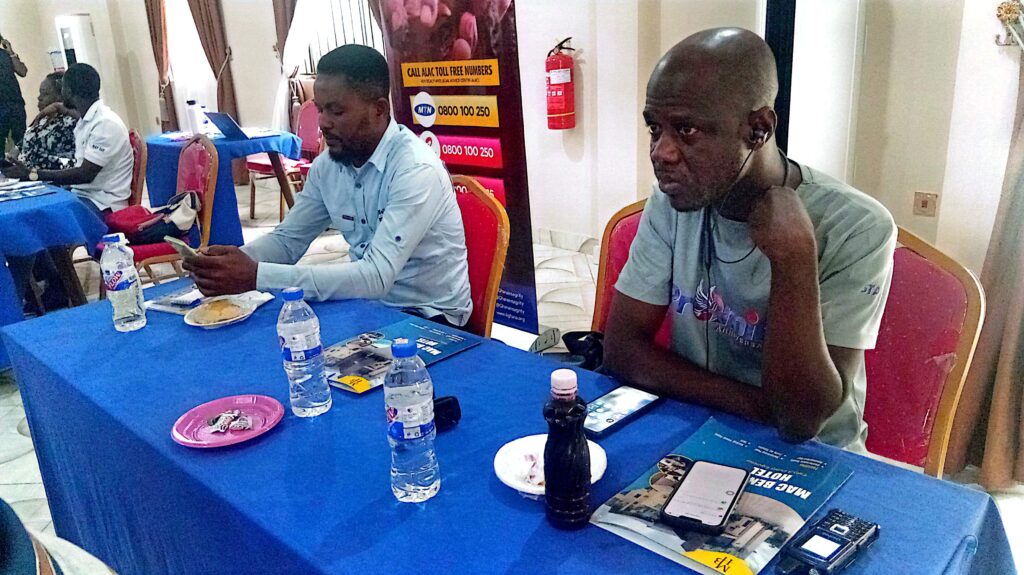
The programme forms particular of Transparency International Ghana’s broader efforts to promote transparency, accountability and integrity within the country’s defence and security sector through responsible and informed journalism.
Speaking at the training, Dr. Michael Ofori-Mensah, Research Lead at Transparency International Defence and Security (TI-DS), emphasised that corruption in the defence and security sector poses significant threats to national security, public trust and democratic governance.
He urged journalists to appreciate why integrity within the defence sector matters, explaining that integrity risks are not synonymous with corruption but rather weaknesses in systems and institutions that create opportunities for corruption to occur.
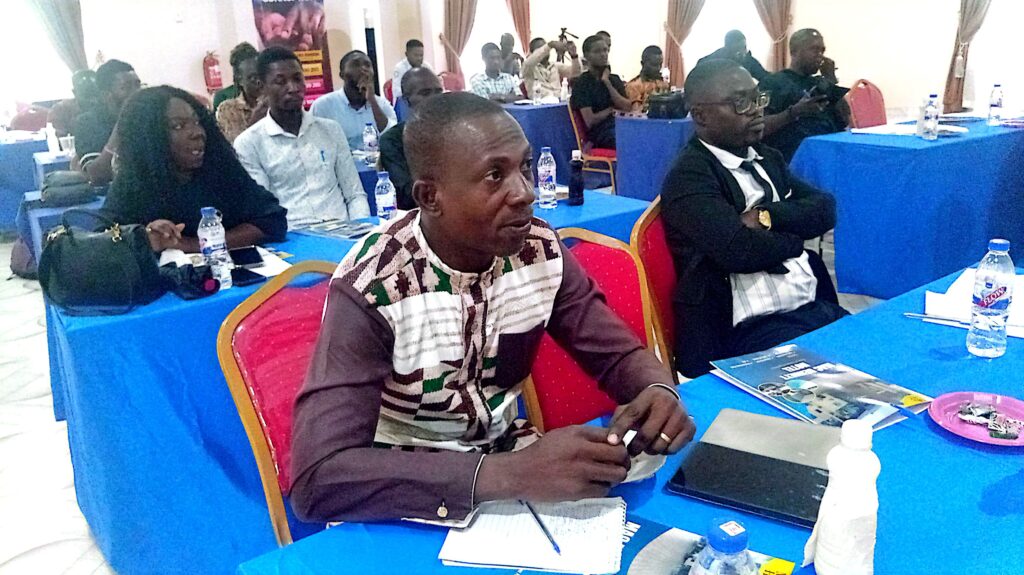
According to him, defence corruption is dangerous because it threatens national security and stability divisive because it weakens democratic oversight and the social contract between governments and citizens and wasteful because it diverts limited public resources away from essential security needs.
Dr. Ofori-Mensah also highlighted the importance of distinguishing between legitimate secrecy which protects national security operations, and unnecessary secrecy, which can conceal corruption and weaken accountability.
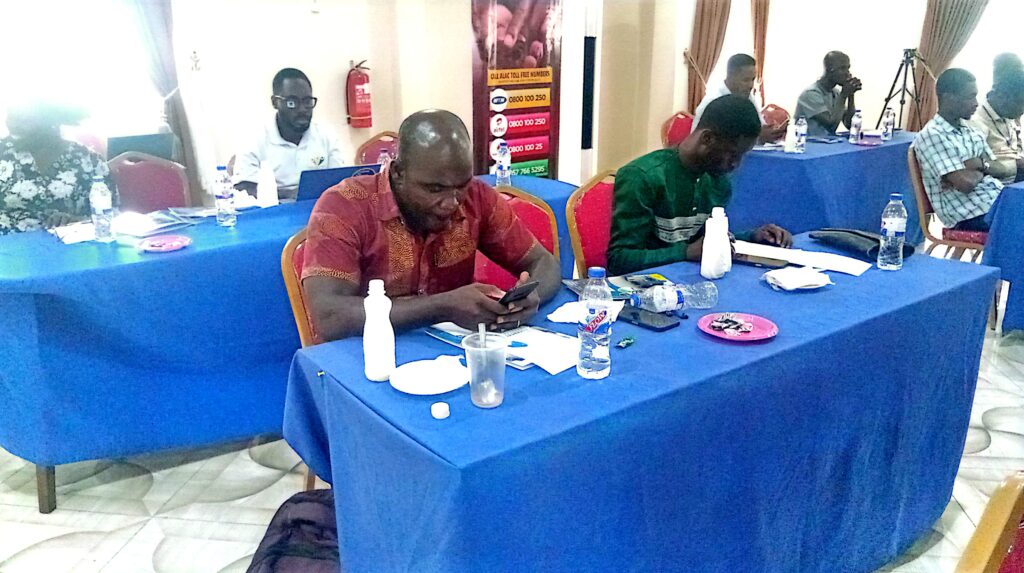
Delivering a presentation on the Government Defence Integrity Index (GDI), Dr. Patrick Brobbey of Transparency International Defence and Security explained that the index assesses corruption risks within defence institutions across different countries.
He took participants through the GDI assessment methodology, major risk areas, score bands, country performance, implementation gaps between existing laws and actual practice, access to information and procurement systems within the security sector.
Dr. Brobbey noted that while many countries have established legal frameworks promoting accountability, implementation remains a major challenge, underscoring the need for stronger oversight and institutional reforms.
Speaking on the role of the media, Michael Kwame Boadi, Fundraising Manager at Transparency International Ghana described defence journalism as a highly specialised field that demands adequate training, professionalism and a clear understanding of national security issues.
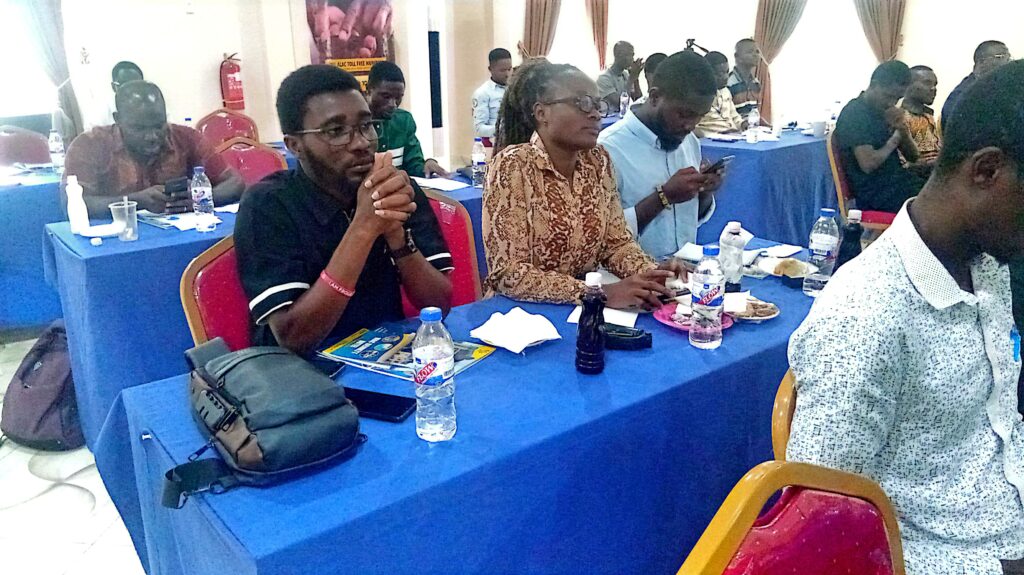
He observed that defence reporting in Ghana remains relatively underdeveloped because many journalists lack specialised knowledge and engagement with defence institutions.
Mr. Boadi stressed that journalists must strike a careful balance between informing the public and protecting information whose disclosure could compromise national security.
“There are matters that are of public interest and others that must remain confidential. Although both may be of national interest, journalists have the responsibility to assess what should be published and what should be withheld in order to avoid creating unnecessary panic or conflict,” he said.
He encouraged journalists to embrace development journalism, explaining that impactful reporting goes beyond merely recounting events to examining how those events affect people’s lives and national development.
Touching on the influence of social media, Mr. Boadi described digital platforms as powerful tools capable of rapidly disseminating information, exposing corruption and supporting law enforcement through early warning and public participation.
However, he cautioned media practitioners to use social media responsibly.
“Social media never forgets. The content you publish today can either strengthen your credibility or damage your reputation in the future,” he advised.
In her closing remarks, Mrs. Mary Awelana Addah, Executive Director of Transparency International Ghana, commended participants for their active engagement throughout the training and encouraged journalists to uphold professionalism, accuracy and ethical standards in defence reporting.
She urged media practitioners to remain committed to factual, balanced and responsible journalism while contributing to transparency, accountability and national development.
The training reflects Transparency International Ghana’s continued commitment to building the capacity of journalists to report responsibly on defence and security issues while promoting integrity, transparency and accountability within Ghana’s security institutions.
By Michael Walier
Email: demike212@gmail.com
